Paint protection film can become less transparent as it ages because prolonged sunlight exposure, oxidation, surface contamination, and deterioration of its protective layers can affect its clarity. Over time, these changes may cause yellowing, haziness, or cloudiness. Proper cleaning and maintenance can help preserve transparency, but permanently damaged film may require replacement.
What Causes Paint Protection Film to Lose Transparency
1. Prolonged UV Exposure
Sunlight can gradually degrade film materials, causing yellowing or discoloration. Premium PPF offers better UV resistance but can still age over time.
2. Oxidation
Heat, oxygen, and UV exposure can alter film materials, affecting clarity and flexibility.
3. Environmental Contamination
Road grime, mineral deposits, and tree sap can create a cloudy appearance. Regular washing helps prevent buildup.
4. Improper Cleaning
Harsh chemicals, abrasive tools, and unsuitable polishing products can scratch or damage the film’s surface.
5. Adhesive or Installation Problems
Trapped moisture, adhesive deterioration, or lifting edges can cause haziness beneath the film. Professional inspection can identify the cause.
What Are the Different Types of PPF Discoloration
Not every change in transparency has the same cause.
Understanding the differences can help determine whether cleaning, inspection, or replacement is appropriate.
| Appearance | Possible cause | Recommended action |
| Yellow tint | UV-related aging or material discoloration | Professional inspection |
| Cloudy surface | Contamination or fine scratches | Approved cleaning and evaluation |
| White or milky patches | Moisture, adhesive issues, or film defects | Installer assessment |
| Uneven transparency | Localized deterioration or contamination | Inspect affected panels |
| Dull finish | Surface wear or bonded deposits | Professional decontamination |
| Small bubbles | Trapped air, moisture, or adhesion problems | Inspect if persistent or developing |
These symptoms provide useful clues, but appearance alone cannot confirm the exact cause.
For example, cloudy PPF may simply contain mineral deposits that can be removed safely.
However, cloudiness caused by deterioration within the film generally cannot be corrected through surface cleaning.
How Does Paint Protection Film Maintain Its Clarity
Modern PPF uses several layers designed to provide protection while maintaining an optically clear finish.
Important PPF Materials and Features
Polyurethane layer: The flexible protective material that absorbs small impacts and resists abrasion.
Self-healing topcoat: A surface layer designed to recover from certain minor scratches under suitable conditions.
UV stabilizers: Additives or material properties that help limit deterioration caused by ultraviolet exposure.
Adhesive layer: The component that bonds the protective film to the vehicle’s painted surface.
Optical clarity: The film’s ability to transmit light without noticeable distortion, haze, or discoloration.
Hydrophobic properties: Surface characteristics that encourage water to bead or move away, making cleaning easier.
These features help premium paint protection films maintain their appearance.
However, performance varies by manufacturer, product, and installation conditions.
How Can You Tell Whether Cloudy PPF Can Be Restored
Before assuming your film needs replacement, determine whether the issue is on the surface or within the layers.
Follow these five steps.
- Wash the affected area. Use an approved automotive shampoo and a clean microfiber wash mitt.
- Inspect the film under natural light. Look for yellowing, haze, stains, scratches, or uneven transparency.
- Compare protected panels. Determine whether the change affects one area or multiple sections.
- Check for adhesion problems. Look for persistent bubbles, lifting edges, or cloudy patches beneath the film.
- Request professional evaluation. An experienced installer can help identify contamination, material aging, or installation-related problems.
Avoid using abrasive compounds, harsh solvents, or excessive heat to restore clarity yourself.
These methods may damage the film or affect the underlying finish.
Myth: All Paint Protection Film Eventually Turns Yellow
A common misconception is that every PPF installation will eventually develop a noticeable yellow tint.
Modern premium paint protection film in Morrisville is engineered to resist discoloration, although performance varies with material quality and environmental exposure.
Older film technologies and lower-quality materials may have been more susceptible to visible yellowing.
Modern aliphatic polyurethane formulations and protective topcoats can improve resistance to UV-related changes.
However, that does not mean every installation will remain perfectly transparent indefinitely.
Factors such as sunlight exposure, chemical contamination, maintenance habits, and film quality still influence long-term appearance.
Another misconception is that yellowing can always be removed through polishing.
If discoloration occurs within the film material, ordinary surface cleaning cannot reverse the chemical changes.
Understanding the difference between surface contamination and permanent aging helps prevent unnecessary treatment.
Can Ceramic Coating Prevent PPF From Becoming Cloudy
Certain ceramic coatings are designed to work with compatible paint protection films.
These products may improve water repellency, reduce contaminant buildup, and make routine washing easier.
However, ceramic coating does not make PPF permanently immune to oxidation, yellowing, or material deterioration.
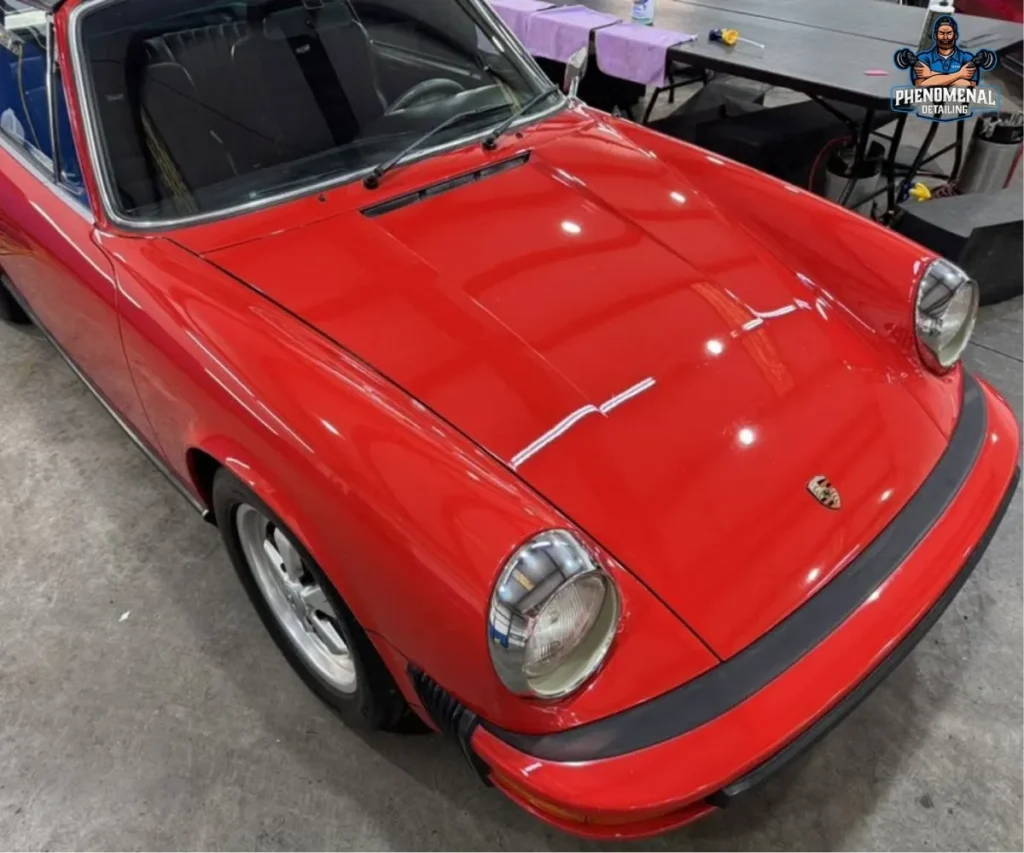
Compare Common Protection Methods
| Protection method | Main benefit | Limitation |
| Premium PPF | Physical protection with optical clarity | Can eventually experience wear |
| Compatible ceramic coating | Easier cleaning and water repellency | Cannot reverse internal yellowing |
| Regular hand washing | Removes surface contaminants | Cannot repair deteriorated film |
| Covered parking | Reduces sunlight exposure | Does not prevent all aging |
| Professional maintenance | Helps identify and treat surface issues | Cannot restore every type of damage |
For drivers researching paint protection film in Morrisville, NC, understanding these differences can help them select suitable protection and maintenance options.
PPF and ceramic coating provide complementary benefits, but neither eliminates the need for regular vehicle care.
How Long Should Paint Protection Film Remain Transparent
The useful lifespan of paint protection film depends on material quality, environmental exposure, installation, and maintenance.
Many premium products are designed to provide several years of protection, with some offering limited warranties covering defects such as yellowing, cracking, or bubbling.
Warranty terms vary considerably and may exclude damage caused by improper maintenance or environmental conditions.
A warranty also doesn’t mean the film will remain visually identical to a new installation throughout its lifespan.
Factors That Influence Long-Term Clarity
Sunlight exposure: Vehicles parked outdoors for extended periods receive more UV exposure.
Film construction: Higher-quality materials may resist discoloration more effectively.
Surface contamination: Persistent dirt and mineral deposits can affect appearance.
Washing habits: Gentle, compatible cleaning helps preserve the protective topcoat.
Installation quality: Proper preparation and installation reduce the likelihood of avoidable defects.
For vehicle owners in Breckenridge who regularly park outdoors, reducing prolonged sun exposure and keeping the film clean may help maintain its appearance.
How Can You Prevent PPF From Losing Transparency
Consistent maintenance can help reduce premature haze, discoloration, and surface damage.
1. Wash Your Vehicle Regularly
Remove road grime, dust, and other contaminants before they accumulate.
Use a pH-neutral automotive shampoo compatible with your installed PPF.
Avoid abrasive brushes and dirty towels.
2. Remove Bird Droppings and Tree Sap Promptly
Contaminants become harder to remove when exposed to heat.
Use approved cleaning products and avoid scraping the protective surface.
3. Reduce Unnecessary Sun Exposure
Whenever possible, park in a covered area or a garage.
This can reduce long-term UV exposure and excessive surface heating.
4. Avoid Harsh Chemicals
Do not apply strong solvents, abrasive compounds, or unsuitable degreasers without checking the manufacturer’s instructions.
Some products can damage the protective topcoat or affect the film’s appearance.
5. Schedule Professional Inspections
Have unusual yellowing, persistent haziness, or peeling edges inspected before the damage worsens.
For drivers in Providence Place, occasional professional evaluations can help identify problems that routine washing may not resolve.
Why Does Professional PPF Installation Matter
Proper installation contributes to the appearance and long-term performance of paint protection film.
Professional preparation removes contaminants and addresses paint imperfections before the film is installed.
An experienced installer also ensures that the material fits the vehicle’s contours and that the adhesive bonds properly.
Poor preparation may leave imperfections beneath the film, while improper application can cause lifting or visible defects.
Choosing a suitable product and understanding its maintenance requirements can help preserve the vehicle’s appearance.
Drivers exploring Morrisville, NC paint protection film services should ask about material specifications, warranty coverage, installation preparation, and recommended aftercare.
These factors matter just as much as the film’s appearance immediately after installation.
People Also Ask
Why Does Paint Protection Film Turn Yellow?
PPF can yellow due to UV exposure, chemical reactions, or aging. Premium films resist discoloration, but performance varies by quality and environment.
Can Cloudy PPF Become Clear Again?
Sometimes. Cleaning may remove surface deposits, but haze from material or adhesive deterioration may require replacement.
Does Sunlight Damage PPF?
Yes. Prolonged UV exposure and heat can accelerate aging, despite the UV resistance of premium films.
Does Ceramic Coating Prevent PPF From Yellowing?
No. It may simplify cleaning but can’t prevent yellowing or reverse internal material damage.
When Should I Replace Discolored PPF?
Replace PPF if discoloration persists or the film develops cracks, peeling, or adhesive issues. A professional inspection can determine the best solution.
Keep Your Paint Protection Film Clear and Your Vehicle Protected
Paint protection film may lose transparency due to sunlight exposure, oxidation, contamination, and material aging.
Although some clarity problems can be improved through proper cleaning, permanent yellowing or internal deterioration may require replacement.
Choosing quality materials, maintaining your vehicle regularly, and addressing early warning signs can help preserve your PPF’s appearance.
Phenomenal Detailing offers professional PPF installation and automotive protection services designed to help preserve your vehicle’s original finish.
Whether you are considering a new installation or concerned about aging film, professional guidance can help you determine the appropriate next step.
Contact us today to request a quote or discuss your vehicle’s paint protection needs.