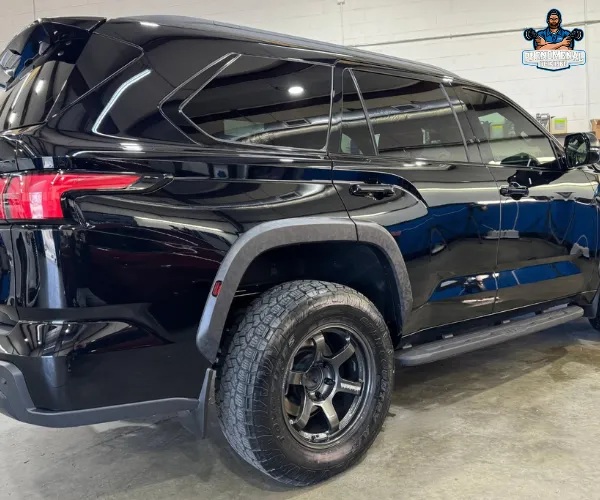
Professional window tinting keeps your cabin cool without darkening your view by using spectrally selective nano-ceramic films that filter out invisible solar energy. Instead of relying on dark dyes, these films block up to 99% of UV rays and over 80% of heat-causing infrared (IR) radiation while allowing natural light to pass right through.
Unlike older dyed tints that dimmed your vision without stopping the heat, modern ceramic technology delivers maximum thermal protection and crystal-clear visibility in a nearly clear film.
Understanding the Solar Spectrum: Heat vs. Visible Light
To understand how modern window films separate heat from brightness, look at the three primary categories of solar energy reaching your vehicle’s windows:
- Ultraviolet (UV) Light (3% of solar energy): Invisible rays that cause skin damage, premature aging, and the fading or cracking of leather seats, dashboards, and interior trim.
- Visible Light (44% of solar energy): The spectrum the human eye can see, providing natural daylight and clear road visibility.
- Infrared (IR) Radiation (53% of solar energy): Invisible thermal energy felt as warmth on your skin, making it the largest contributor to heat buildup inside a parked or moving vehicle.
Older window films worked like basic sunglasses, using dark carbon or organic dyes to absorb visible light. By focusing on blocking that 44% visible spectrum, they left the 53% infrared heat spectrum largely unchecked. Spectrally selective films flip this approach by filtering out invisible UV and IR wavelengths while letting visible light pass through.
The Engineering Behind Spectrally Selective Window Films
High-performance automotive window films achieve selective filtering through material science rather than simple pigmentation. When installed properly, distinct layers work together on the interior surface of your factory glass.
Nano-Ceramic Particle Technology
Nano-ceramic window film embeds microscopic, non-conductive ceramic particles such as titanium nitride or tungsten oxide directly into the polyester film matrix. Because these particles are smaller than the wavelengths of visible light, light waves pass around them without scattering or creating haze, while their molecular structure absorbs and dissipates long-wave infrared heat. Even a light 70% or 80% visible light transmission (VLT) ceramic film blocks more heat than a dark 5% dyed tint.
Multi-Layer Optical Substrates
Alongside ceramic particles, multi-layer optical films use hundreds of ultra-thin, alternating layers calibrated to specific refractive indices. When solar radiation hits the glass, these layers bounce infrared and ultraviolet frequencies away from the vehicle before they can heat your steering wheel or upholstery.
Zero Signal Interference
Older metallic films relied on sputtered aluminum or nickel to reflect heat, which frequently disrupted GPS navigation, satellite radio, keyless entry, and 5G cellular signals. Nano-ceramic films are completely non-metallic, delivering thermal performance without interfering with your vehicle’s onboard electronics.
Measuring Window Film Performance: Key Metrics Explained
Looking strictly at how dark a film appears will not tell you how much heat it blocks. Industry professionals evaluate film performance using standardized metrics from the National Fenestration Rating Council (NFRC):
| Performance Metric | What It Measures | Why It Matters for Your Vehicle |
| VLT (Visible Light Transmission) | The percentage of visible light that passes through the glass and film combined. | Higher VLT means clearer visibility and more natural light; lower VLT means a darker appearance and more privacy. |
| IRER (Infrared Energy Rejection) | The percentage of solar infrared radiation blocked across the full IR spectrum (780–2500 nm). | Directly correlates to how hot the sun feels on your skin while driving. |
| TSER (Total Solar Energy Rejected) | The combined percentage of UV, visible, and IR energy kept out of the cabin. | The most accurate overall measure of how cool your car’s interior will stay. |
| UV Rejection | The percentage of UVA and UVB rays blocked by the film. | Protects passengers from skin damage and prevents leather and plastics from fading. |
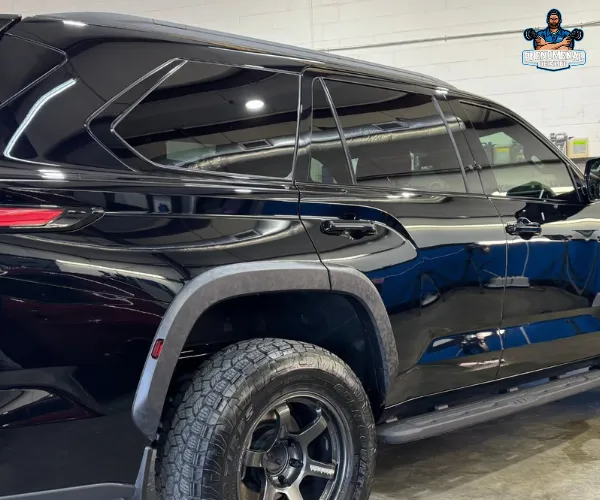
During a recent consultation for a daily commuter in Durham, NC, a client brought in a luxury SUV with factory-tinted rear privacy glass, frustrated that the cabin still felt like an oven every afternoon. Factory privacy glass is simply darkened glass without ceramic heat-blocking properties. Applying a virtually clear nano-ceramic film over the rear privacy glass and a legal shade on the front doors lowered cabin temperatures without changing the SUV’s factory appearance.
Why Material Quality and Precision Installation Matter
Advanced nano-ceramic film will still fail to perform or look poorly finished if it is carelessly installed. Bubbling, peeling edges, purple discoloration, and trapped dust particles almost always come from budget materials and rushed workmanship.
At Phenomenal Detailing, our service is backed by more than 20 years of experienced professionals, providing clients with the highest quality service and satisfaction, taking pride in workmanship and using only the best products available on the market. Rather than treating window tinting as a rushed, assembly-line job, our certified technicians follow a strict preparation and installation process tailored to every vehicle:
- Deep Glass Decontamination: Every pane is scrubbed, clay-barred, and squeegeed to remove microscopic environmental fallout, adhesive residue, and factory oils before film application.
- Computer-Cut Precision Patterns: Precision plotting software cuts patterns calibrated to exact vehicle makes, models, and trims, aligning cleanly with factory seals without risking blade damage to your glass or trim.
- Controlled-Environment Application: Installations are completed in a clean, enclosed environment using specialized slip solutions and extraction tools to eliminate dust and moisture for optical clarity.
- Micro-Edge Filing: On frameless and roll-down windows, our technicians file and finish the top edge so the film sits flush with the glass contour, preventing peeling over years of window operation.
Drivers looking for reliable window tinting in Durham, NC often share the same concern: trusting a shop with a brand-new or high-value vehicle. Whether we are working on a family SUV from Wake Forest or an exotic sports car brought in for full-vehicle protection, proper glass preparation and industry-leading films ensure reliable, long-term performance.
Additional Benefits Beyond Heat Reduction
Installing a high-clarity, heat-rejecting window film provides several practical benefits beyond lowering cabin temperatures:
- Interior Preservation: Blocking 99% of UV rays prevents leather seats, vinyl, and dashboard plastics from drying out, cracking, and fading, protecting your vehicle’s resale value.
- Reduced Glare and Eye Strain: Spectrally selective films soften harsh midday sunlight and cut glare from low-angle sunrises, sunsets, and oncoming LED headlights without darkening your view of the road.
- Improved HVAC Efficiency: A cooler cabin means your air conditioning system works less aggressively, saving fuel in gas vehicles and preserving battery range in electric vehicles (EVs).
- Shatter Resistance: During a collision or side impact, the multi-ply polyester film and high-tack adhesive help hold broken glass shards together.
Many drivers searching for Durham window tinting also pair their window film with Paint Protection Film (PPF) or ceramic coatings so both interior and exterior surfaces are protected against sun exposure, rock chips, and daily road wear.
Navigating Legal Tint Limits Safely
State laws regulate how dark automotive window tint can be, measured by the combined VLT percentage of the glass and film. Because nano-ceramic films reject high levels of infrared heat at lighter shades, you do not need illegal, dark tint to stay cool. Vehicle owners investing in window tinting in Durham often choose a legal 35% or 50% nano-ceramic film or an 80% clear windshield film where permitted to get substantial heat reduction while passing state inspections and maintaining sharp visibility during rainy night drives.
People Also Ask
Does clear window tint actually block heat?
Yes. High-end clear nano-ceramic window films rated at 70% to 80% Visible Light Transmission (VLT)—can block up to 99% of UV rays and over 80% of infrared heat rays. Because they filter invisible thermal wavelengths rather than visible light, they keep your vehicle cool without darkening the glass.
What is the best window tint for heat rejection without darkening windows?
Spectrally selective nano-ceramic window film is the most effective choice for blocking heat while preserving natural light. Unlike dyed or metallic films, nano-ceramic technology absorbs and reflects infrared solar energy at the molecular level while remaining optically clear and safe for vehicle electronics.
How much cooler does ceramic window tint keep a car?
Depending on the film grade and glass coverage, professional nano-ceramic window tint can reduce interior surface temperatures on dashboards and seats by 25°F to 40°F and lower overall cabin air temperatures by 10°F to 15°F compared to untinted factory glass.
Will window tint interfere with my car’s GPS, cell signal, or keyless entry?
No, provided you choose a non-metallic nano-ceramic or carbon film. Older metallic tints contained thin layers of reflective metal that weakened cellular, GPS, and tire-pressure monitoring signals, whereas modern ceramic films are 100% metal-free and cause zero signal interference.
Experience Cooler, More Comfortable Driving
High-performance window film protects your interior, reduces eye strain, and makes summer driving noticeably more comfortable without sacrificing visibility. If you are comparing clear or light-shade heat-rejection films and want straightforward recommendations tailored to your vehicle, Phenomenal Detailing is ready to help.
Contact us today to request a free quote, inspect film samples in person, or schedule your installation appointment.